



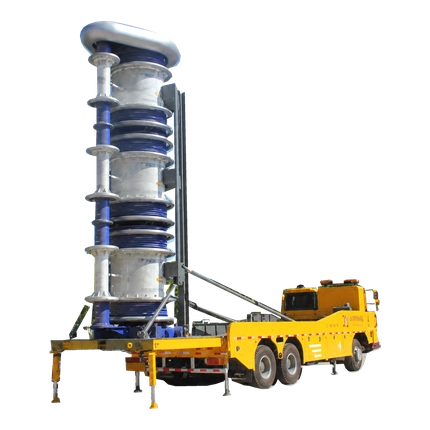
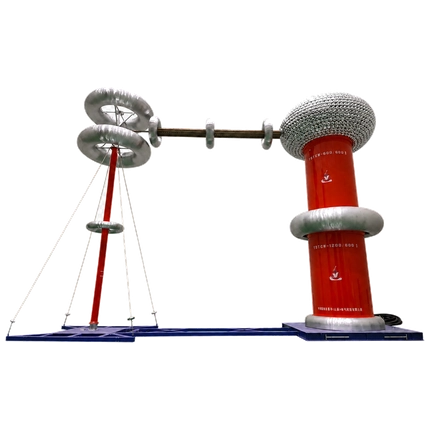
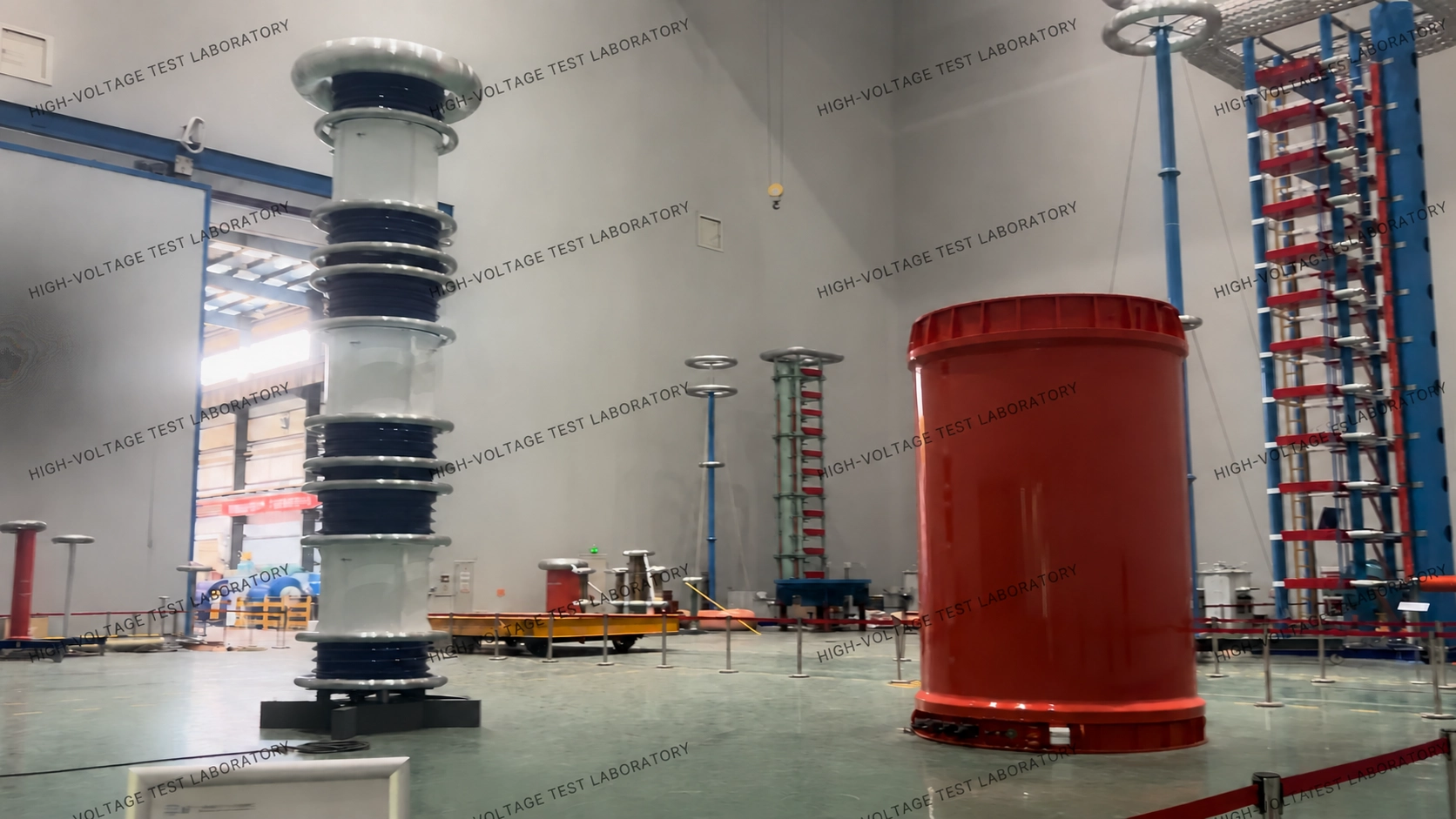
Inductance-Tuned Series Resonant Test System
Product Overview
The VERXON Induced-Tuned Series Resonant Test System establishes resonance by adjusting the reactor inductance to match the capacitance of the test object. It is designed for AC withstand voltage and partial discharge testing of high-capacitance electrical equipment.
Applications
SF6 circuit breaker testing
GIS AC withstand voltage and partial discharge testing
Capacitive transformer testing
Converter transformer testing
Power cable and cable accessory testing
Testing of other high-capacitance electrical equipment
Product Features
Compact and lightweight system configuration
Resonant operation helps reduce the required input power capacity
Low-noise and low-partial-discharge design
Reduced risk of transient overvoltage after test-object flashover
Configurable reactor, voltage divider, control and measurement system
System ratings determined according to the capacitance and voltage of the test object
Working Principle
The reactor inductance is adjusted until it resonates with the capacitance of the test object at the required test frequency. Resonance reduces the input power required from the excitation source while producing the required high test voltage across the test object.
Frequently Asked Questions
What is an Induced-Tuned Series Resonant Test System?
It is an AC high-voltage test system that establishes resonance by adjusting the reactor inductance to match the capacitance of the test object.
Which equipment can be tested?
The system is suitable for GIS, SF6 circuit breakers, transformers, power cables, cable accessories and other high-capacitance electrical equipment.
How are the system ratings selected?
The voltage, current and capacity ratings are determined according to the test object and agreed technical requirements.
Why does the system require less input power?
Under resonant conditions, reactive power circulates between the reactor and the test object, so the excitation source mainly supplies system losses and requires less input capacity than a conventional test source.
Can the system perform partial discharge tests?
Yes. A suitable low-interference configuration can support partial discharge testing in addition to AC withstand voltage testing.