



DC High-Voltage Generators
Product Overview
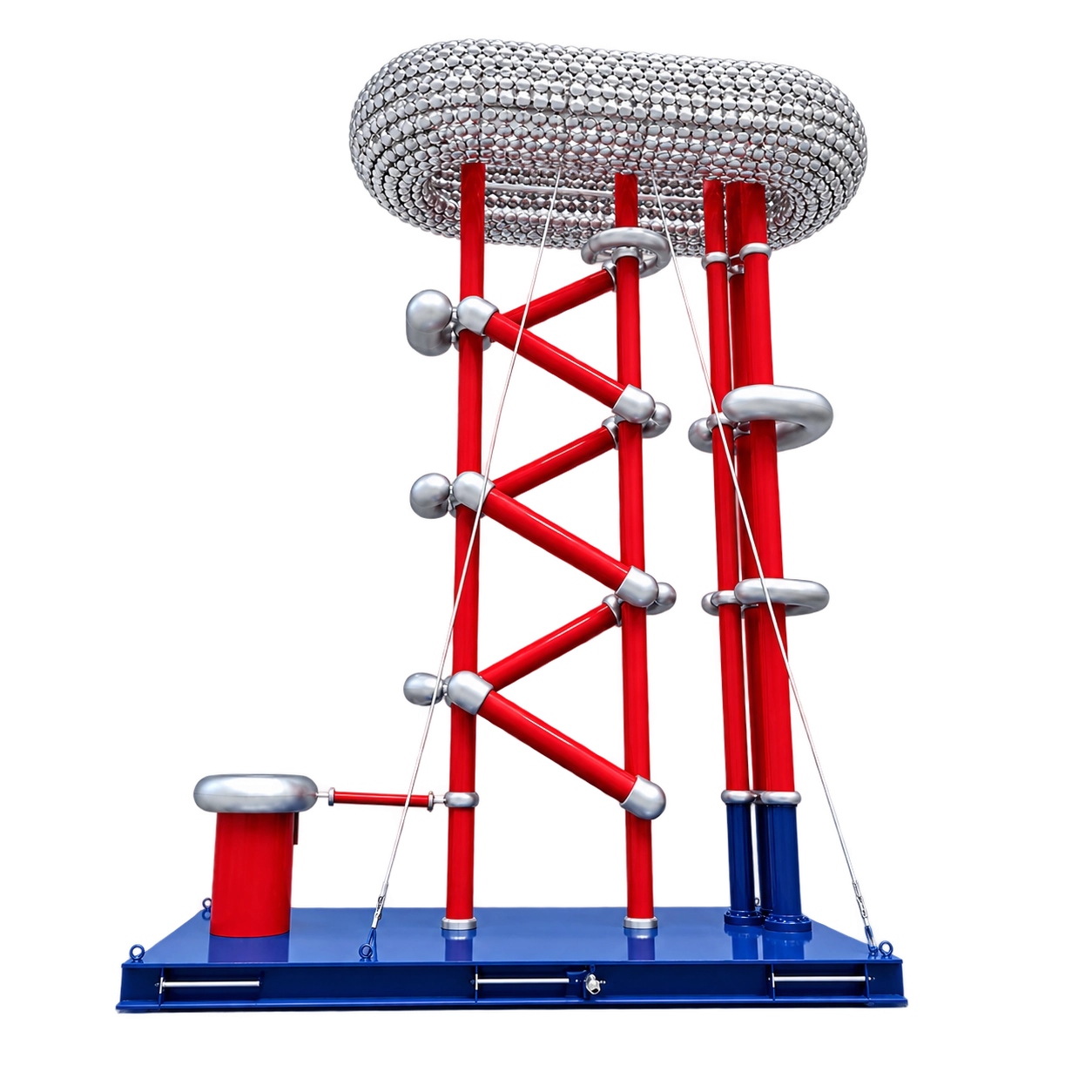
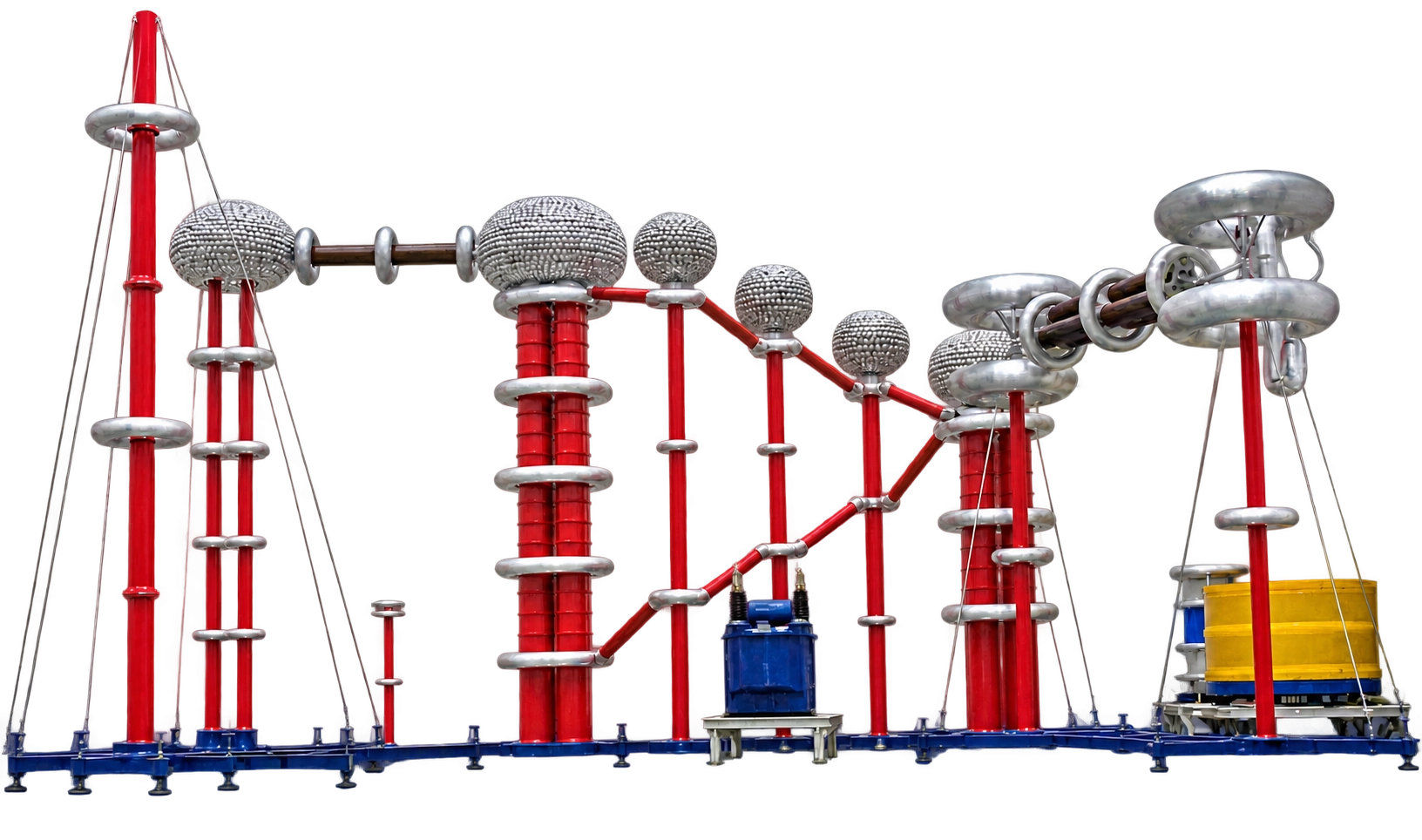
The VERXON DC High-Voltage Generator provides a stable DC source for insulation testing and high-voltage charging applications. The polarity, output rating, control method and protection configuration are selected according to the test object and project requirements.
It can be used as an independent DC test source or integrated with other high-voltage test equipment.
Applications
DC withstand voltage testing of insulating materials and electrical equipment
Leakage-current measurement
Testing of power cables, capacitors and other high-capacitance specimens
DC testing of converter transformers and transmission equipment
Charging supply for impulse voltage and impulse current generators
Laboratory, factory and research applications
Product Functions
Provides stable DC high-voltage output
Supports project-specific polarity and output configuration
Supports automatic voltage regulation and monitoring
Integrates measurement, control and protection functions
Provides controlled discharge and grounding after testing
Can be integrated into a complete high-voltage test system
Product Features
Low voltage drop and low output ripple
Stable output and strong interference resistance
Manual and automatic control options
Automatic discharge and grounding protection
Configurable measurement and communication functions
System layout designed according to the test site and test object
Frequently Asked Questions
What is a DC High-Voltage Generator used for?
It is used as a DC test source for insulation testing, leakage-current measurement and high-voltage charging applications.
Which equipment can be tested?
The system can be configured for cables, capacitors, transformers, insulating materials and other electrical equipment requiring DC high-voltage testing.
Can it be used as a charging power supply?
Yes. It can be configured as a charging source for impulse generators and other high-voltage test circuits.
How are the output rating and polarity selected?
They are determined according to the test object, test method and agreed technical requirements.
Which safety functions are available?
The system can include automatic regulation, interlocks, overvoltage and overcurrent protection, controlled discharge and grounding functions.